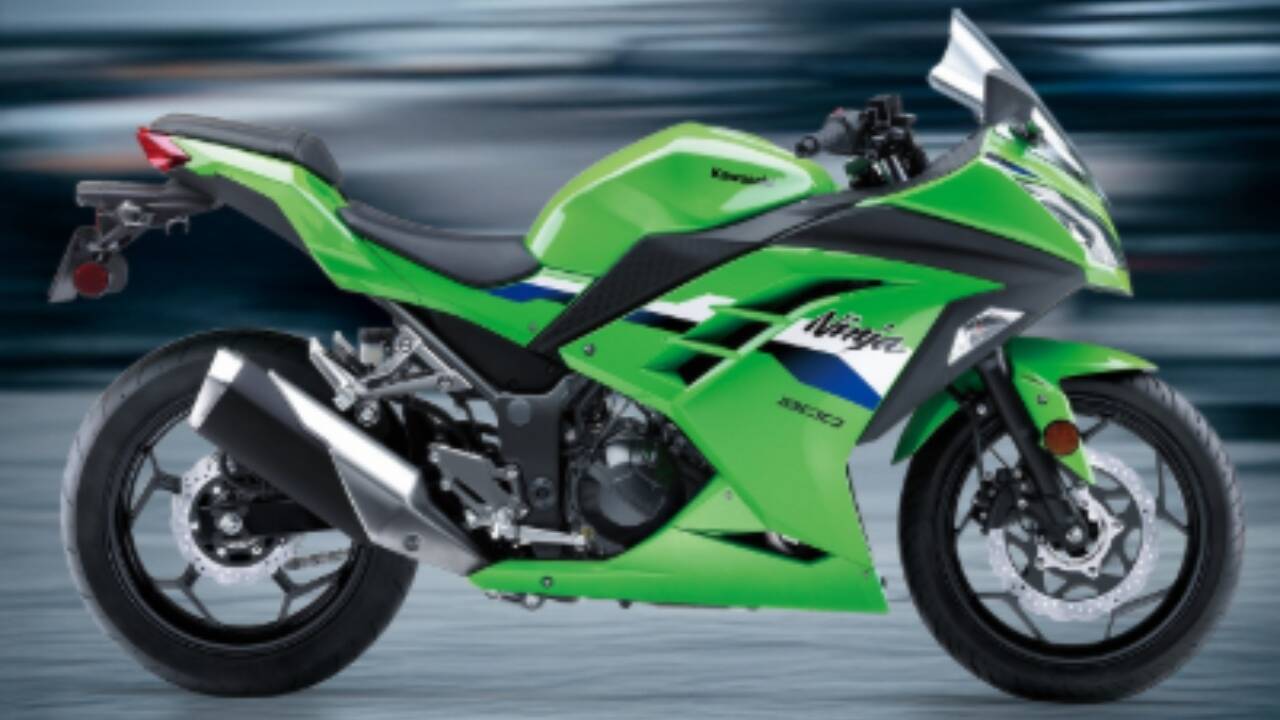
The updated model arrives with a series of aesthetic refinements, notably featuring contemporary graphics and refreshed colorways designed to appeal to younger, style-conscious demographic cohorts. While the core mechanical architecture remains largely untouched, these targeted visual interventions aim to inject fresh vigor into a motorcycle that has historically served as a gateway for enthusiasts entering the world of multi-cylinder performance riding.
Beyond the superficial updates, the launch carries immediate implications for the broader mobility ecosystem in India, where middle-weight motorcycles are increasingly viewed not merely as recreational toys, but as significant economic drivers within the premium manufacturing and retail sectors. As dealerships prepare for the rollout, industry analysts are closely monitoring how this pricing strategy will influence rival offerings from European and domestic marques.
📌 Essential Story Takeaways
- The 2027 Kawasaki Ninja 300 has been officially launched in India at an ex-showroom price of Rs 3.34 lakh.
- The updated motorcycle retains its proven 296cc parallel-twin engine mated to a 6-speed gearbox.
- New cosmetic updates include fresh graphics, revised color schemes, and updated tread pattern tyres for enhanced grip.
- Customer deliveries across authorized dealerships nationwide are slated to commence by the end of July.
Historical Background & Contextual Precedents
However, the journey of the Ninja 300 in the Indian market has not been without regulatory hurdles. The transition through successive emission norms, particularly the implementation of Bharat Stage 6 (BS6) standards, forced manufacturers to re-engineer powertrains under immense cost pressures. Kawasaki’s decision to continuously update and locally assemble key components of the Ninja 300 over the years has been a masterclass in lifecycle management, allowing the brand to bypass the steep import duties that plague completely built-up units (CBUs) and maintain a competitive price point despite inflationary headwinds.
Deep-Dive Investigation & Sectoral Impact
Market data from the Society of Indian Automobile Manufacturers (SIAM) highlights a surging demand for premium commuter and entry-level sports motorcycles, driven by rising disposable incomes in urban and semi-urban centers. Yet, the entry-level performance segment is currently experiencing a fierce turf war. Domestic giants partnering with global brands, alongside aggressive product pipelines from European manufacturers, have compressed profit margins. Kawasaki’s reliance on a time-tested platform rather than investing in an entirely new ground-up architecture reflects a pragmatic, risk-mitigated approach to capital allocation in a volatile macroeconomic environment.
Stakeholder Perspectives & Official Statements
Meanwhile, consumer advocacy and rider safety groups have welcomed the inclusion of updated tyre tread patterns, pointing out that historical iterations occasionally faced criticism for lacking optimal wet-weather grip out of the box. Dealership representatives across metropolitan hubs report a steady influx of advance bookings, driven largely by millennial and Gen-Z buyers who prioritize brand heritage and multi-cylinder refinement over raw spec-sheet supremacy.
Strategic Implications & Future Roadmap
❓ Key Questions Answered (FAQ)
The launch of the 2027 Kawasaki Ninja 300 is driven by the manufacturer's routine annual product refresh cycle, aimed at maintaining consumer interest through updated aesthetics and improved localized components while retaining its proven mechanical core.
Entry-level performance motorcycle enthusiasts and prospective buyers in the sub-500cc segment are directly impacted, gaining access to a refreshed design at an ex-showroom price of Rs 3.34 lakh, while competing manufacturers face heightened pressure to match the Ninja's parallel-twin appeal.
The most critical upcoming milestone is the official commencement of customer deliveries, which is scheduled to roll out nationwide by the end of July.