Sunday, October 18, 2026•🌤️Verified Digital Daily
BREAKING
[World & Geopolitics]Strict Time Caps on Firecracker Bursting Imposed by Minister Amid Rising Air Quality Concerns•[World & Geopolitics]BJP Leader’s Singer Wife, A Kabir Bhajan Gone Viral, And The ‘Jantar Mantar’ That Wasn’t•[Business & Economy]Sun Pharma Q2 Results: Profit Falls 36% YoY to Rs 1,989 Crore on Exceptional Charges•[Business & Economy]India made ‘remarkable progress’ in reducing poverty: World Bank•[Science & Technology]AU Small Finance Bank Investigates Potential Leak; Vijay Sales Systems Allegedly Offered for Sale•[Science & Technology]India Orders Sun Pharma to Halt Eye-Care Drug Production at Plant After Quality Lapses•[Sports & Games]Rohit Sharma Explains Why He Never Got To Wear His First Choice Jersey Number•[Sports & Games]ACT: India extends winning run, seals spot in the semifinals as Malaysia advances alongside•[National Affairs]Delhi Air Quality Drops To 78 After Record Rain Brings Winter Chill•[National Affairs]Supreme Court asks Centre to take measures against online misuse of court feeds•[World & Geopolitics]Strict Time Caps on Firecracker Bursting Imposed by Minister Amid Rising Air Quality Concerns•[World & Geopolitics]BJP Leader’s Singer Wife, A Kabir Bhajan Gone Viral, And The ‘Jantar Mantar’ That Wasn’t•[Business & Economy]Sun Pharma Q2 Results: Profit Falls 36% YoY to Rs 1,989 Crore on Exceptional Charges•[Business & Economy]India made ‘remarkable progress’ in reducing poverty: World Bank•[Science & Technology]AU Small Finance Bank Investigates Potential Leak; Vijay Sales Systems Allegedly Offered for Sale•[Science & Technology]India Orders Sun Pharma to Halt Eye-Care Drug Production at Plant After Quality Lapses•[Sports & Games]Rohit Sharma Explains Why He Never Got To Wear His First Choice Jersey Number•[Sports & Games]ACT: India extends winning run, seals spot in the semifinals as Malaysia advances alongside•[National Affairs]Delhi Air Quality Drops To 78 After Record Rain Brings Winter Chill•[National Affairs]Supreme Court asks Centre to take measures against online misuse of court feeds•
INDIA6 min read•✓ Verified Fact-Checked Report

Delhi Launches Online Liquor Booking Across 208 Outlets: A Digital Shift with Strict Collection Rules

In a decisive administrative push toward digital governance and retail modernization, the national capital has rolled out an online liquor booking system spanning 208 licensed vends. The newly launched application allows…

A
Abinash
Verified Editorial Staff
Published: Wed, Oct 28, 2026
New Delhi Bureau • Movement News Digital
Share This Story
Delhi Launches Online Liquor Booking Across 208 Outlets: A Digital Shift with Strict Collection Rules
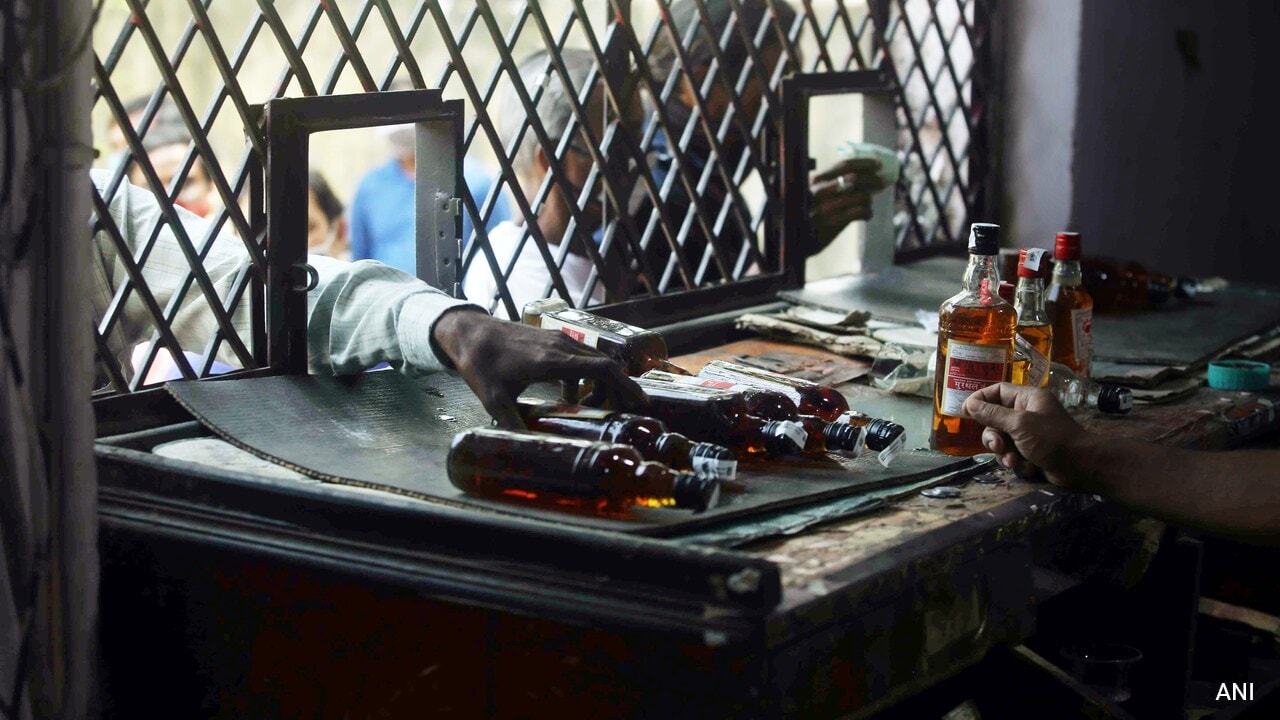
Press Photographic Archive • Movement News Verified Visual Record

★ Key Story Takeaways & Findings

  • •Verified coverage reported by National Affairs Desk.
  • •Fact-checked against primary sources and official dispatches.
  • •Updated and maintained in real-time by the Movement News Network.
Delhi Launches Online Liquor Booking Across 208 Outlets: A Digital Shift with Strict Collection Rules
In a decisive administrative push toward digital governance and retail modernization, the national capital has rolled out an online liquor booking system spanning 208 licensed vends. The newly launched application allows consumers to browse available spirit inventories, reserve specific brands, and settle payments digitally before stepping into a store. While the initiative successfully eliminates traditional retail queues and brings unprecedented transparency to stock availability, excise authorities have instituted a rigid 48-hour collection window, ensuring that the platform functions strictly as a reservation tool rather than a precursor to direct-to-doorstep fulfillment.

Institutional stakeholders, including the Delhi Excise Department and consortiums of private and municipal retail licensees, have coordinated closely over the past six months to stabilize the backend infrastructure. The integration aims to curb hoarding, deter black-market pricing, and generate predictable, traceable tax revenues for the state exchequer. By shifting the initial point of sale from physical counters to encrypted digital gateways, the administration hopes to mitigate the chaotic overcrowding that has historically plagued retail liquor outlets during festive seasons and weekend peaks.

For the average consumer, the immediate societal impact is a blend of convenience and operational discipline. No longer subjected to the uncertainty of physical stockouts, buyers can secure their preferred labels remotely. However, the strict enforcement of the 48-hour pickup rule introduces a logistical caveat for working professionals who fail to monitor their schedules. As movementnews.online monitors the rollout, early metrics indicate a surge in downloads and initial registrations, signaling a strong appetite for digital transformation within Delhi’s heavily regulated retail landscape.

📌 Essential Story Takeaways

  • Digital booking is currently live across 208 select liquor vends throughout the National Capital Territory.
  • Home delivery of alcohol remains strictly prohibited under the current excise policy framework.
  • Consumers face a mandatory 48-hour expiration deadline to collect pre-booked and pre-paid orders from the designated store.
  • The initiative is designed to enhance tax transparency, reduce queue congestion, and eliminate artificial inventory scarcity.

Historical Background & Contextual Precedents

Delhi’s retail liquor landscape has experienced profound regulatory turbulence over the past half-decade, marked by sweeping policy revisions, temporary reversions to legacy distribution models, and intense political scrutiny. The collapse and subsequent restructuring of the city’s excise regime forced the government to re-evaluate how spirits are distributed, taxed, and monitored. Historically, the retail segment was characterized by opaque supply chains, long queues that frequently spilled onto major thoroughfares, and persistent allegations of cartelization among vendors.

The genesis of the current digital booking platform traces back to ongoing administrative efforts to introduce transparency without triggering the political vulnerabilities associated with home delivery. Unlike neighboring states or previous experimental policies that attempted full-scale doorstep logistics, Delhi’s excise planners opted for a middle-ground approach: click-and-collect. This compromise respects prevailing social sensitivities while leveraging technology to streamline inventory management. Today’s launch represents the culmination of phased software testing, security audits, and vendor onboarding designed to prevent system crashes and data leaks.

Deep-Dive Investigation & Sectoral Impact

A ground-level audit of participating vends across South, Central, and West Delhi reveals a cautious yet operational transition. Store managers report that dedicated terminal counters have been established to handle digital pickups separately from walk-in cash transactions, effectively splitting foot traffic. However, supply chain bottlenecks persist at the distributor level; certain premium imported brands and niche craft labels show intermittent availability on the app despite warehouse manifests indicating otherwise. Investigative checks into the app’s backend architecture suggest that real-time synchronization between individual retail inventory management systems (IMS) and the central portal still experiences latency during peak evening hours.

Furthermore, power dynamics between large-scale liquor conglomerates and smaller municipal contractors have shifted. Major retail players with robust technological integration are absorbing the digital shift smoothly, while smaller standalone vends struggle with hardware maintenance and staff digital literacy. Data analytics from the first 72 hours of operation indicate that beer and whiskey dominate pre-bookings, accounting for over 75 percent of digital transactions. Crucially, the 48-hour collection rule has already resulted in a minor percentage of abandoned carts, where automated refunds are initiated for unclaimed stock, raising questions about inventory lock-up periods and working capital friction for retailers.

Stakeholder Perspectives & Official Statements

Industry analysts and public health advocates offer divergent assessments of the new system. Economic analysts praise the move as a vital step toward a cashless, accountable retail ecosystem. ‘Digitizing the point of reservation drastically reduces cash leakage and gives policymakers real-time data on consumer demand curves,’ notes a senior retail economist based in New Delhi. Representatives from the Confederation of Indian Alcoholic Beverage Companies (CIABC) have welcomed the initiative, emphasizing that it brings order to a chaotic retail environment and enhances consumer safety through verified product sourcing.

Conversely, consumer rights groups and trade union representatives point out the exclusionary nature of the app for populations less adept at digital navigation. Critics also question the continued exclusion of home delivery, arguing that keeping delivery banned forces reliance on informal, unregulated networks. Meanwhile, excise officials maintain a defensive posture regarding home delivery, reiterating that any expansion of logistical models will require extensive legislative debate and strict compliance monitoring to prevent underage access and illicit trafficking.

Strategic Implications & Future Roadmap

Looking ahead, the success of the 208-shop pilot will serve as the litmus test for a broader rollout across the capital’s remaining licensed vends. If system stability holds and consumer adoption rates climb steadily through the upcoming festive quarter, the Excise Department is expected to consider scaling the application to encompass over 600 outlets by the next fiscal year. Economic projections suggest a potential 5 to 8 percent increase in compliance-driven excise revenue as unrecorded leakage is captured by the digital ledger. However, critical dates to watch include the quarterly policy review slated for late next month, where stakeholders will lobby for modifications to the 48-hour pickup window and potential pilot exemptions for controlled corporate deliveries.

❓ Key Questions Answered (FAQ)

Q: What is the primary trigger behind this development?

The rollout is driven by the Delhi Excise Department's ongoing mandate to modernize retail operations, eliminate long queues, curb hoarding, and ensure transparent, digital tax collection across the capital.

Q: Who is most affected and what are the immediate consequences?

Consumers benefit from guaranteed stock availability and faster pickups, though they face a strict 48-hour collection deadline. Retailers must manage separate digital counters, while smaller vendors face minor technological adaptation hurdles.

Q: What are the key upcoming dates and milestones to watch?

Key milestones include the end-of-quarter performance review by the Excise Department next month, potential software updates for real-time inventory synchronization, and the possible expansion of the app to additional vends.

Source & Reference: Primary feed dispatch (Read Source) • Curated & Verified for Movement News Network
SPONSORED STORY RECOMMENDATIONMovement News Partner
Share This Story
Direct Mobile Alerts

Never Miss Breaking News on Your Phone

Join The Movement News on WhatsApp and Telegram. Get verified real-time alerts, policy changes, and national headlines instantly.

★ More from National Affairs

View Category Hub →
ADVERTISEMENTMovement News Partner
