
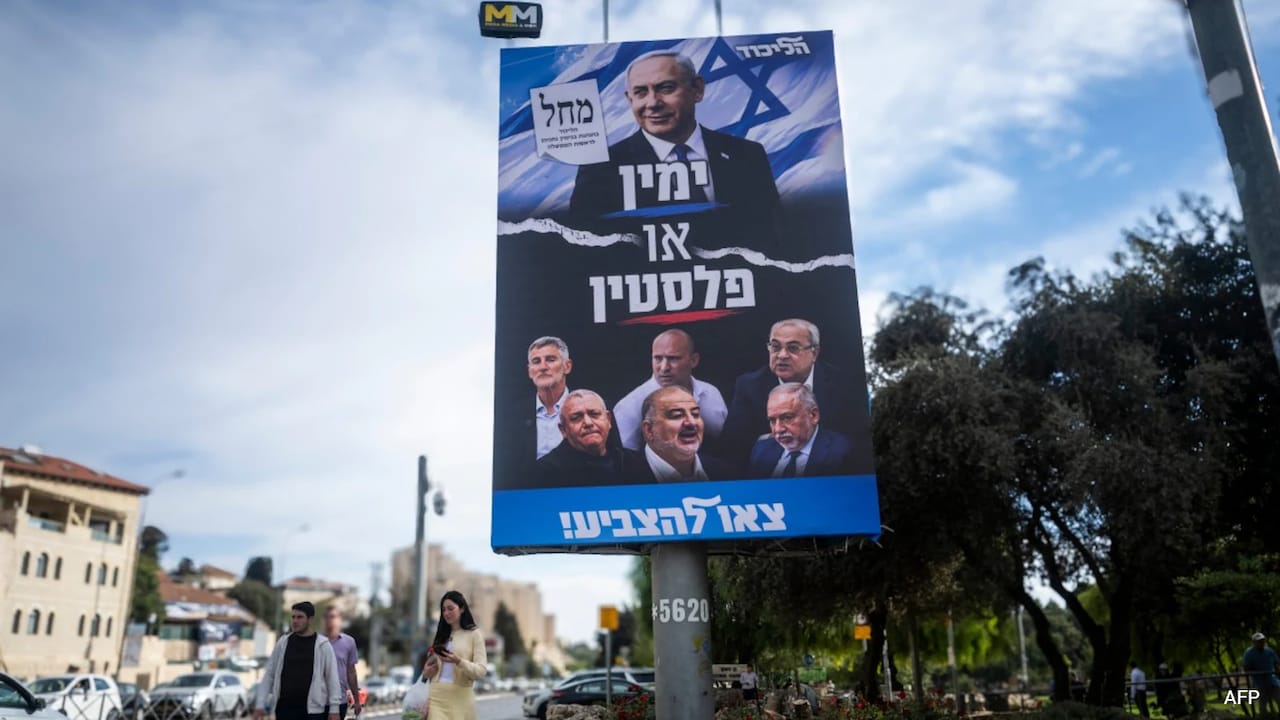
Institutional stakeholders ranging from the Central Elections Committee to veteran parliamentary legal advisors continually navigate the tension between democratic inclusivity and governmental stability. The system’s design ensures that even small ideological factions can secure representation, giving minority parties substantial leverage during post-election coalition negotiations. This structural empowerment of smaller parties has historically transformed ordinary legislative disputes into existential tests for sitting administrations.
The societal impact of this political architecture is profound, directly influencing fiscal allocations, defense policies, and judicial oversight. Citizens experience frequent electoral cycles and intense political polarization, as governing coalitions rely on fragile majorities that can collapse over a single contentious bill. As political analysts parse the mechanics of vote thresholds and party mergers, the resilience of Israel’s democratic institutions remains a subject of intense domestic and international scrutiny.
📌 Essential Story Takeaways
- Israel's 120-seat Knesset is elected through a nationwide proportional representation system.
- The strict electoral threshold forces smaller factions to form strategic electoral alliances to avoid elimination.
- Proportional representation routinely leads to multi-party coalition governments characterized by delicate power-sharing agreements.
- Upcoming legislative debates will likely re-examine thresholds and campaign finance laws ahead of the next election cycle.
Historical Background & Contextual Precedents
Over the decades, this commitment to extreme proportionality created chronic legislative fragmentation, often resulting in governments vulnerable to political blackmail by minor faction leaders. To mitigate this instability, the Knesset raised the electoral threshold—the minimum percentage of the national vote a party must win to enter parliament—progressively over time, reaching the current 3.25 percent mark.
This threshold surfaced as a central point of contention in recent political cycles, forcing traditional rivals and micro-parties to merge or risk vanishing from the legislature entirely. The historical legacy of coalition instability continues to drive ongoing debates among constitutional scholars regarding whether Israel should transition to a constituency-based model or adopt a direct prime ministerial election system, as it briefly did in the late 1990s and early 2000s.
Deep-Dive Investigation & Sectoral Impact
Data from recent electoral cycles demonstrates that the 3.25 percent threshold acts as a brutal filter. In past elections, tens of thousands of votes cast for smaller parties that failed to clear the bar were effectively discarded, skewing the ultimate distribution of seats and occasionally handing a parliamentary majority to a bloc with a minority of the total popular vote. This phenomenon has sparked widespread debate over the mathematical fairness of the system.
Furthermore, the investigation highlights how party primaries and central committee appointments concentrate power within the hands of narrow party selectors rather than the broader electorate. While voters cast ballots for national party lists, the internal ranking of candidates is frequently determined by closed-door political machinations, leading critics to argue that the system suffers from a democratic deficit despite its high degree of proportionality.
Stakeholder Perspectives & Official Statements
Dr. Rivka Katz, a senior fellow at the Israel Democracy Institute, notes, ‘The Knesset is a mirror of a deeply diverse society. While the system causes chronic headaches for coalition builders, it prevents the severe disenfranchisement common in majoritarian systems.’ Conversely, critics point to the disproportionate leverage wielded by fringe factions. Former Knesset legal advisor Eyal Ben-Zion argues that ‘the tail frequently wags the dog, where micro-parties holding one or two seats can paralyze national policy initiatives to serve narrow, sectarian interests.’ International observers tracking democratic resilience in the Middle East frequently cite Israel’s high political turnover as both a symptom and a consequence of these institutional design choices.
Strategic Implications & Future Roadmap
Official announcements regarding campaign finance transparency and digital advertising regulations are anticipated from the Central Elections Committee in the coming months. Meanwhile, economic projections indicate that prolonged political uncertainty will continue to influence foreign investment patterns and domestic budgetary planning. Critical dates to watch include the opening of the upcoming Knesset winter session, where several private members’ bills concerning electoral adjustments are slated for preliminary reading.
❓ Key Questions Answered (FAQ)
The root cause is the persistent instability of multi-party coalition governments and ongoing debates over whether the current electoral threshold adequately balances democratic representation with effective governance.
Minority parties, political aspirants, and average citizens are most affected. The immediate consequence is heightened pressure on small factions to form electoral blocs, alongside increased volatility in legislative policymaking.
Key milestones include the upcoming Knesset session debates on electoral reform bills, upcoming rulings by the Central Elections Committee, and official announcements regarding campaign finance oversight.





