
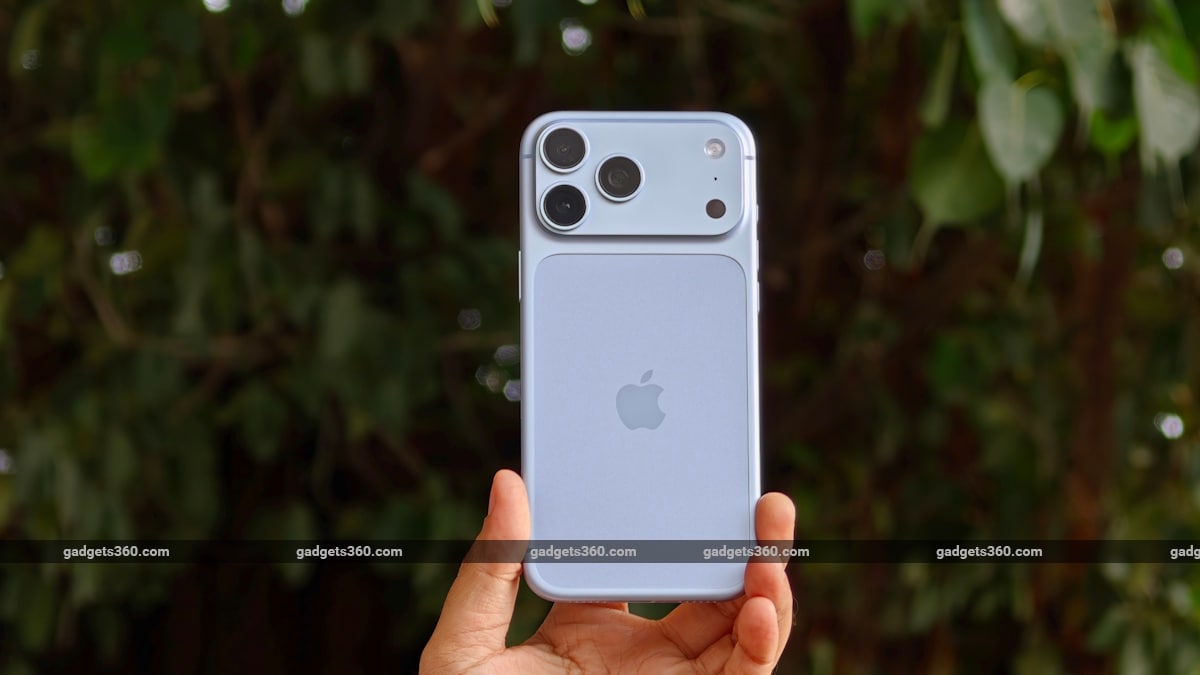
At first glance, the iPhone 18 Pro Max presents a familiar exterior that closely mirrors its predecessor, the iPhone 17 Pro Max, retaining the same form factor, chassis dimensions, and expansive display technology that has defined Apple’s high-end portfolio for consecutive cycles. However, beneath the polished surface lies a calculated engineering focus on internal optimization, thermal management, and computational photography rather than radical aesthetic reinvention. This conservative design philosophy highlights a broader industry trend where mature product categories prioritize software ecosystem integration and hardware longevity over disruptive structural overhauls.
For the broader consumer base and enterprise purchasers alike, the launch triggers critical questions regarding upgrade cycles and value retention. As smartphone lifespans extend globally—driven by durable materials, longer software support windows, and rising retail costs—manufacturers face mounting pressure to prove that new silicon and specialized camera capabilities deliver tangible utility. The iPhone 18 Pro Max arrives as a definitive test case for this paradigm, offering exceptional battery longevity and processing headroom while challenging buyers to evaluate whether these refinements genuinely warrant moving away from devices purchased merely one or two generations prior.
📌 Essential Story Takeaways
- The iPhone 18 Pro Max starts at Rs. 1,79,900, maintaining Apple's ultra-premium pricing tier in major Asian markets.
- Powered by the new A20 Pro chip, the device delivers sustained performance with vastly improved thermal dissipation during intensive tasks.
- Battery life emerges as a primary selling point, lasting nearly a day and a half under rigorous mixed-usage testing conditions.
- The introduction of a variable-aperture camera system grants professional-grade optical control previously unseen in standard smartphone formats.
Historical Background & Contextual Precedents
Historically, the ‘Pro Max’ nomenclature has signified the convergence of Apple’s most advanced mobile technologies, serving as a halo product for both early adopters and enterprise power users who demand workstation-class performance in a pocketable format. Precedents set by the iPhone 15 and 17 generations demonstrated that consumers increasingly view these handsets as long-term investments rather than disposable consumer electronics, often retaining devices for three to five years. This behavioural shift forced Cupertino’s hardware engineering teams to focus intensely on durability, battery chemistry longevity, and thermal stability—factors that directly influence secondhand market valuations and user satisfaction indices tracked closely by financial institutions and market research firms.
Deep-Dive Investigation & Sectoral Impact
Concurrently, the integration of a physical variable-aperture mechanism within the primary camera module represents a notable engineering feat. Supply chain reports confirm that sourcing these micro-mechanical shutter blades required unprecedented precision manufacturing tolerances from Apple’s primary optical partners in Asia. This hardware addition moves beyond purely software-driven computational blur, offering genuine optical depth-of-field manipulation that bridges the gap between pocket-sized convenience and dedicated mirrorless camera performance. However, these complex sub-assemblies contribute directly to the device’s elevated bill of materials and subsequent retail pricing, reinforcing a widening economic divide between standard consumer tiers and professional pro-sumer hardware brackets.
Furthermore, the software layer introduces iOS 27, bringing a visually refreshed interface and deeper predictive artificial intelligence routines. While long-time Apple users will navigate the updated control paradigms with ease, early telemetry and usability testing indicate a slight learning curve for settings management and notification hierarchies. Energy consumption analytics confirm that despite the increased background workload demanded by iOS 27’s advanced context-aware features, battery efficiency has been optimized to yield nearly 36 hours of continuous mixed usage—a remarkable engineering achievement driven by the energy-proportional scaling of the A20 Pro’s performance and efficiency cores.
Stakeholder Perspectives & Official Statements
Conversely, consumer advocacy groups raise persistent concerns regarding the accessibility of cutting-edge mobile technology amidst escalating price floors. Retail representatives report that while foot traffic remains robust, prospective buyers are increasingly opting for trade-in programs and carrier financing arrangements to absorb the financial impact. Competitor representatives within the Android ecosystem have been quick to point out that while Apple’s thermal management and video processing remain industry benchmarks, rival manufacturers offer faster raw charging speeds and alternative form factors at comparable or lower price points, setting the stage for aggressive fourth-quarter marketing campaigns across global markets.
Strategic Implications & Future Roadmap
❓ Key Questions Answered (FAQ)
The annual product refresh cycle and the introduction of the A20 Pro chip, combined with supply chain advancements in thermal management and variable-aperture optics, drove the release of the iPhone 18 Pro Max.
Older iPhone owners and enterprise professionals using devices from three or more years ago are most impacted, benefiting from massive battery gains and performance leaps, while recent upgraders face a steep Rs. 1,79,900 barrier with minimal visual change.
Critical milestones include Apple's upcoming fiscal quarter earnings report, initial supply chain shipment velocity data, and the subsequent rollout of minor iOS 27 point updates addressing early user feedback.





