
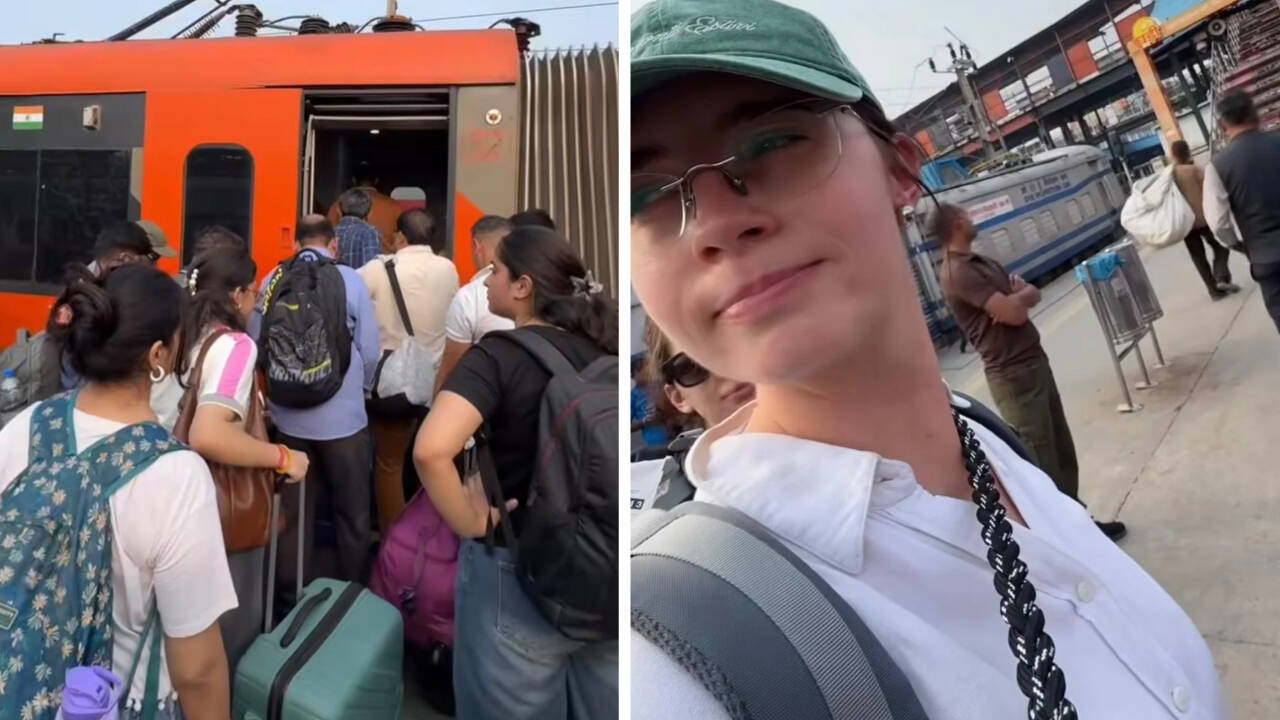
The socio-economic implications of such organic, grassroots tourism advocacy extend far beyond viral metrics, serving as a powerful barometer for international perceptions of India’s evolving transit sector. As national rail authorities pivot aggressively toward passenger comfort, punctuality, and technological integration, endorsements from foreign nationals navigating complex regional corridors provide critical validation. This particular narrative underscores a broader systemic shift in how global travelers experience the subcontinent, moving away from archaic logistical challenges toward streamlined, premium mobility solutions.
Operating under the auspices of the Ministry of Railways and manufactured domestically under the ‘Make in India’ initiative by the Integral Coach Factory in Chennai, the Vande Bharat fleet represents a cornerstone of contemporary statecraft and public sector engineering. The resonance of Karisha’s Instagram documentation within domestic and international digital ecosystems highlights the intersection of modern infrastructural investments and 21st-century soft diplomacy. Movement News has examined the broader ramifications of this digital-age transit review, analyzing passenger metrics, infrastructural feedback, and the shifting paradigms of Indian tourism.
Karisha’s digital footprint details a meticulously planned month-long itinerary designed to traverse India’s diverse geographic and cultural landscapes. By choosing the Executive AC class for her extended journey, she inadvertently entered the ongoing discourse regarding class stratification, pricing tiers, and service delivery standards within public transport networks. Her public pronouncement that the financial outlay was ‘worth every penny’ addresses a central critique often levied against premium ticketing structures in developing economies, offering empirical consumer satisfaction from an independent demographic perspective.
📌 Essential Story Takeaways
- Lithuanian traveler Karisha praised the Vande Bharat Express Executive AC coach following a 10-hour journey.
- The viral Instagram post highlights modern Indian railway amenities, cleanliness, and efficiency to a global audience.
- The review underscores the success of the 'Make in India' initiative in upgrading domestic rail infrastructure.
- Future tourism projections indicate rising international interest in utilizing semi-high-speed domestic rail corridors.
Historical Background & Contextual Precedents
Historically, foreign tourism in India relied heavily on domestic aviation or traditional long-distance express trains, both of which presented distinct logistical challenges, ranging from unpredictable scheduling delays to infrastructural fatigue. The rapid expansion of the Vande Bharat network—now spanning dozens of routes connecting Tier-1, Tier-2, and pilgrimage cities—has fundamentally altered the calculus of regional travel. Today’s surge in organic social media reviews by international visitors surfaces precisely because the infrastructural reality has begun to match, and occasionally exceed, global expectations for contemporary rail transit, bridging the gap between historical heritage tourism and modern spatial mobility.
Institutional backing from the Railway Board has prioritized network densification, with manufacturing facilities ramping up production cycles to meet soaring domestic demand. The convergence of high-speed digital connectivity across rural and urban rail corridors has further enabled travelers like Karisha to broadcast real-time experiences to global audiences. This transparent, unfiltered documentation bypasses traditional promotional channels, establishing a new precedent for how national infrastructure is perceived, evaluated, and consumed on the international stage.
Deep-Dive Investigation & Sectoral Impact
Despite the overwhelmingly positive sentiment captured in viral travelogues, systemic challenges persist across the broader rail network. While Vande Bharat corridors enjoy priority scheduling, the integration of high-speed rakes onto legacy tracks shared with freight and conventional passenger trains often creates operational bottlenecks. Supply chain logistics for specialized components, ranging from pneumatic door mechanisms to imported cushioning materials, require meticulous inventory management by public sector procurement teams. Furthermore, pricing parity remains a subject of intense economic debate; while executive class fares are optimized for affluent domestic travelers and foreign tourists, ensuring equitable access for middle-income commuters across all Vande Bharat services remains a delicate balancing act for policymakers.
Digital sentiment analysis of the Instagram reactions to Karisha’s post uncovers a fascinating dichotomy in consumer psychology. Domestic social media users frequently express a mixture of national pride and hyper-critical scrutiny, comparing the onboard standards directly against international counterparts. Meanwhile, foreign digital nomads and tourists utilize these platforms to crowdsource practical travel advice, transforming individual anecdotal reviews into verified operational intelligence. This decentralized feedback loop exerts unprecedented pressure on railway authorities to maintain uncompromising standards of cleanliness, catering quality, and punctual execution across every designated route.
Stakeholder Perspectives & Official Statements
Conversely, passenger rights advocates and consumer associations frequently raise concerns regarding the displacement of traditional non-AC or sleeper services on high-demand routes to accommodate lucrative semi-high-speed schedules. Critics argue that while luxury coaches cater effectively to affluent demographics and foreign visitors like Karisha and Kristina, the broader infrastructural matrix must not neglect the foundational mobility needs of budget-conscious citizens. Labor unions representing railway maintenance personnel have similarly stressed the urgent need for expanded vocational training programs to service the sophisticated electronics and propulsion systems inherent to modern distributed-power trainsets.
Tourism sector stakeholders have universally welcomed the organic international publicity generated by digital creators. Hospitality executives operating along major Vande Bharat arteries report an observable uptick in inquiries from independent western travelers seeking modular rail itineraries. As digital platforms continue to democratize travel journalism, official tourism boards are increasingly recognizing the strategic value of aligning public infrastructure campaigns with the authentic, lived experiences of everyday global citizens.
Strategic Implications & Future Roadmap
Economically, the sustained positive visibility generated by international travelers is projected to bolster foreign tourist arrivals, supporting post-pandemic recovery targets within the hospitality and aviation sectors. Critical dates to monitor include the scheduled rollout of the Vande Bharat sleeper iterations slated for upcoming fiscal quarters, alongside performance audits of newly commissioned routes. As infrastructural modernization intersects with ubiquitous digital documentation, public transport in India will remain intensely scrutinized, celebrated, and transformed by the collective gaze of a hyper-connected global audience.
❓ Key Questions Answered (FAQ)
A Lithuanian traveler named Karisha published a viral Instagram review documenting her 10-hour journey aboard the Vande Bharat Express Executive AC coach, praising its luxury, cleanliness, and efficiency.
The primary beneficiaries include the Indian Ministry of Railways, domestic tourism operators, and international travelers. The immediate consequence is a surge in positive global digital visibility and heightened interest in modern Indian rail corridors.
Key milestones include the commercial rollout of the upcoming Vande Bharat sleeper trainsets, upcoming fiscal performance reports on rail passenger metrics, and further expansion of semi-high-speed routes across regional networks.





